A Study in Pairing and Partnership with Wines from the Roero DOCG
Refreshing bottlings of Nebbiolo and Arneis, paired with salume, align eras' past with today's generational shifts in winemaking and marketing.

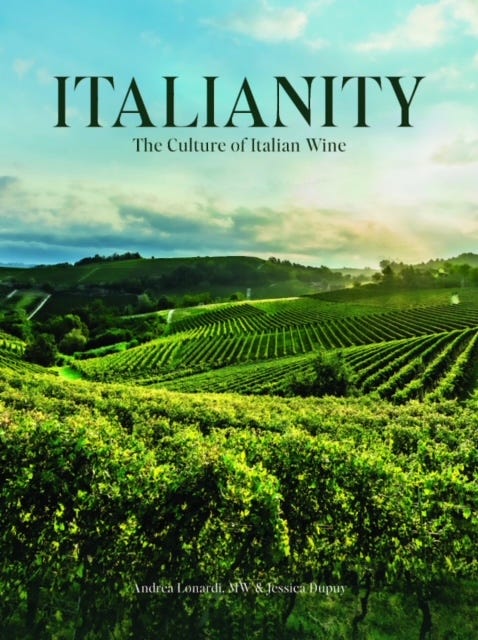
Travel invites a heightened quality of life—history, lineage, purity, honesty, and sensory pleasure coalesce to create something singular, and often unnameable, ephemeral and intangible. Master of Wine Andrea Lonardi and global wine writer and sommelier Jessica Dupuy get at that feeling, which can seem transient and undefinable, in Italianity, a book that’s “part memoir, part love letter, part call to arms.” The book is travelogue, wine journey, memoir, culture study, and bildungsroman, exploring “what makes Italian wine uniquely Italian.” The two traveled throughout Italy in search of cultural legacy and feeling. In their time with Piemonte winemaker Gian Luca Colombo, who favors cool fermentations, diverse aging methods (think Austrian oak, amphorae) and working vineyards that are alive with biodiversity, Dupuy describes in Italianity, “He knows what he knows because he lives it close up: daily, seasonally. And what he knows, for example, is that places like Roero, often sidelined in the Barolo-dominated narrative, hold mysteries worth unveiling.”
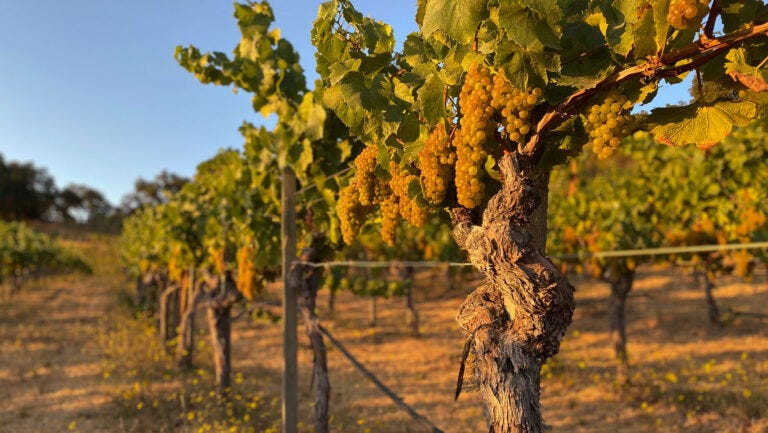
The Roero DOCG is nestled in Italy’s hilly northwest Piedmont (Piemonte) region, north of Barolo, just west of Barbaresco, and on the left bank of the Tanaro River between Langhe and Monferrato. Roero is named for a Middle Age banking and trading family that sprawled into the region from Asti, entrenched in a feudal system of land acquisition. It’s now part of a UNESCO World Heritage Site where vine pollen dates from the 5th century B.C.
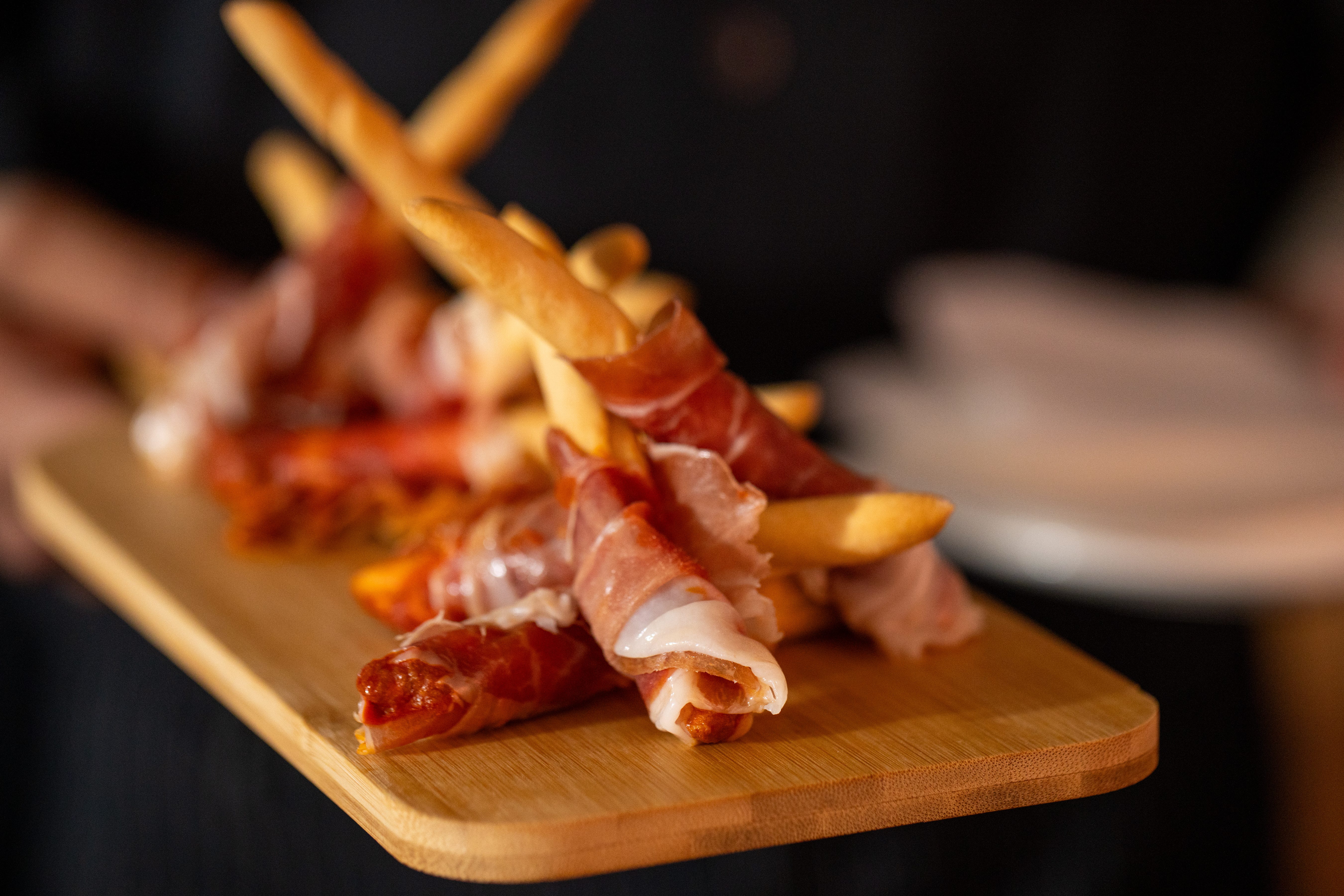
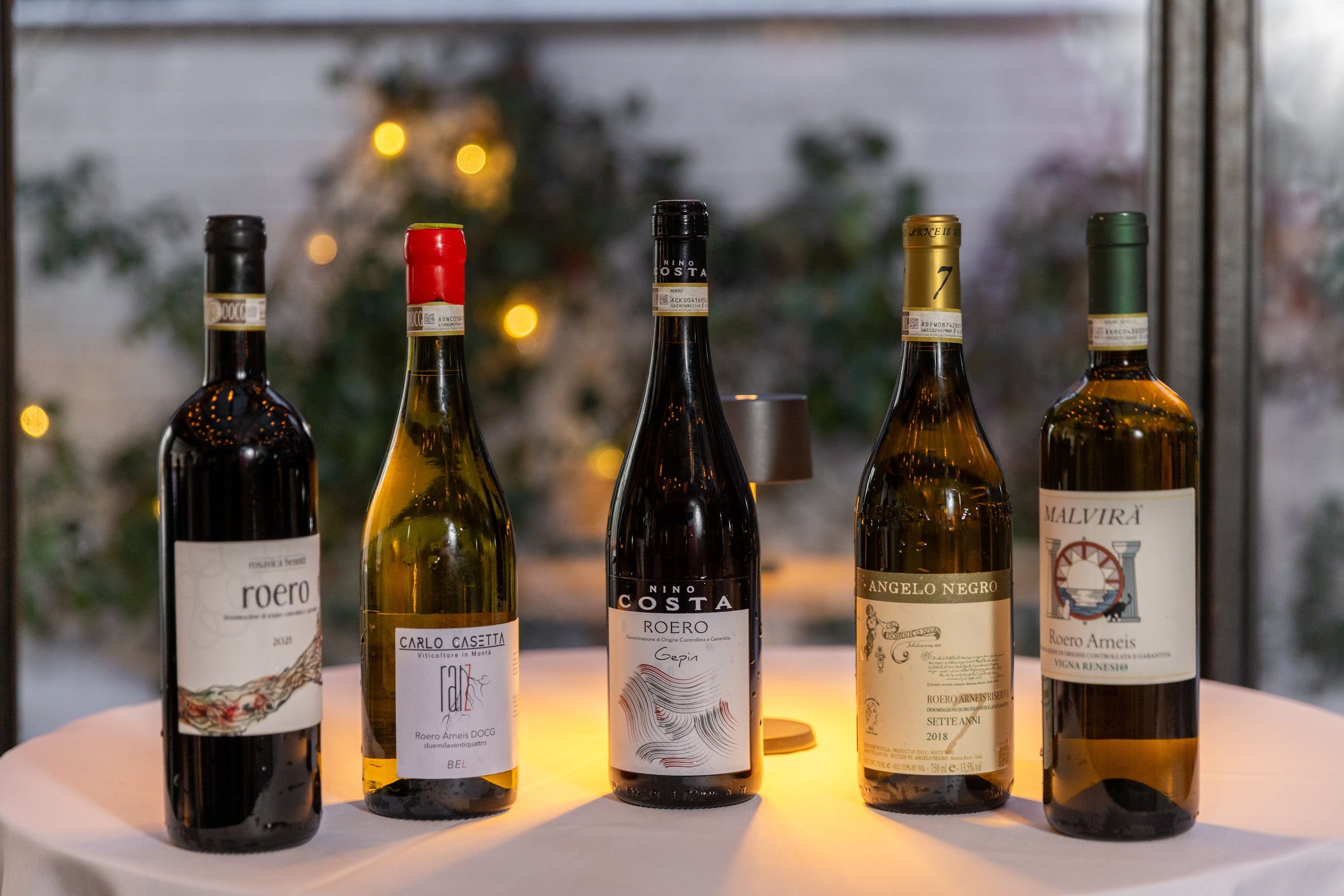
It’s rare for a DOCG to center both signature white and red wines, in this case, Roero Arneis DOCG, a white wine made from the Arneis grape, and Roero Rosso DOCG, crafted from Nebbiolo, the core grape for coveted bottlings from Barbaresco and Barolo. Jancis Robinson recalls in her masterwork, Wine Grapes, “According to local tradition, Arneis used to be planted together with Nebbiolo to attract birds with its strong flavour, thus protecting Nebbiolo…It was also used to soften Nebbiolo, which may explain the synonym Nebbiolo Bianco.” Lively, fresh, bright examples of both from Roero evoke that feeling of vibrancy and immediacy that Dupuy and Lonardi pursue in Italianity. These wines are also newly encountering U.S. and Canadian consumers thanks to Sip and Savor: Pairing European Wines and Deli Meats, Campaign Co-funded by the European Union, a campaign championing locally and sustainably produced regional agriculture, food (particularly salume, or cured meats) and wines.
The Grapes of Roero
The name ‘Arneis’ is speculated to refer to an ancient vineyard, Bric Renesio, or, writes Robinson, “in local dialect ‘arneis’ may have described a wily and temperamental person {…} reflecting how difficult it is to grow and vinify.”
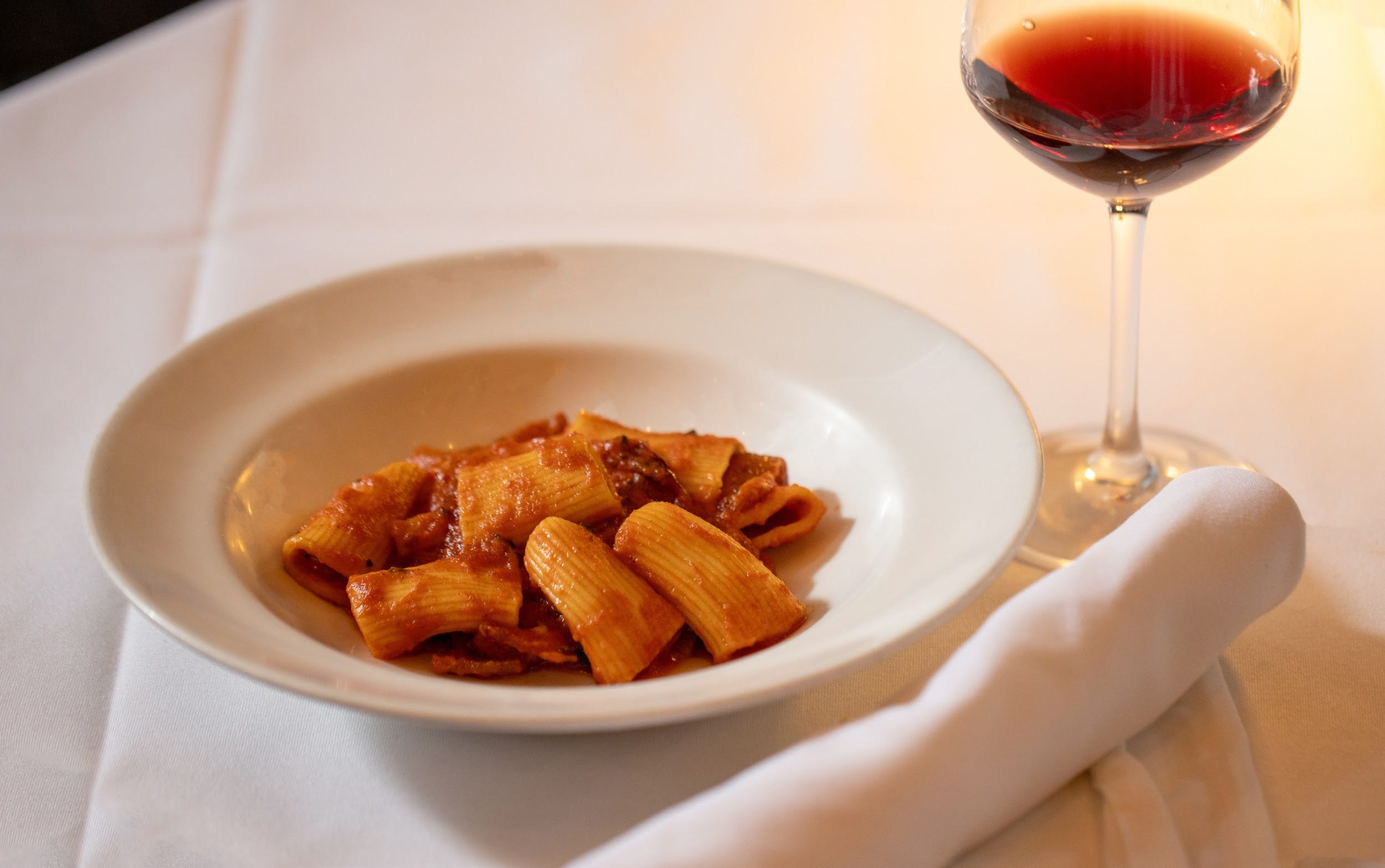
Though Arneis can peak and wane on acidity if left too long on the vine during the growing season, it typically builds a fuller-bodied, bright, single-varietal wine (many domestic bottlings also attest to that, for example from Birdhorse Wines in California and Veer Wine Project in Idaho). More tannins, compared to other aromatic whites, support structure and bottle aging, and Arneis can express notes of almond and saffron. As such, it’s a ready counterpart for entrée courses like porcini-rubbed strip steak (as at Bottino, helmed by Chef Jamie Kenyon in Manhattan’s Chelsea neighborhood), and pasta amatriciana with guanciale.
Both Arneis and Nebbiolo thrive on Roero’s sandy soils, remnants of an ancient seabed. A later earthquake married limestone and marl (rock that coalesces sand, clay, and fossils) with alluvial sediments and silt, leading to nuanced texture and minerality, depending on the vineyard terroir. “Similar to when Grenache is planted on sand and imparts elegance, Nebbiolo does the same, and has a gossamer quality,” says Ray Isle, the wine editor at Food & Wine magazine.
Wines That Evoke History and Italianity
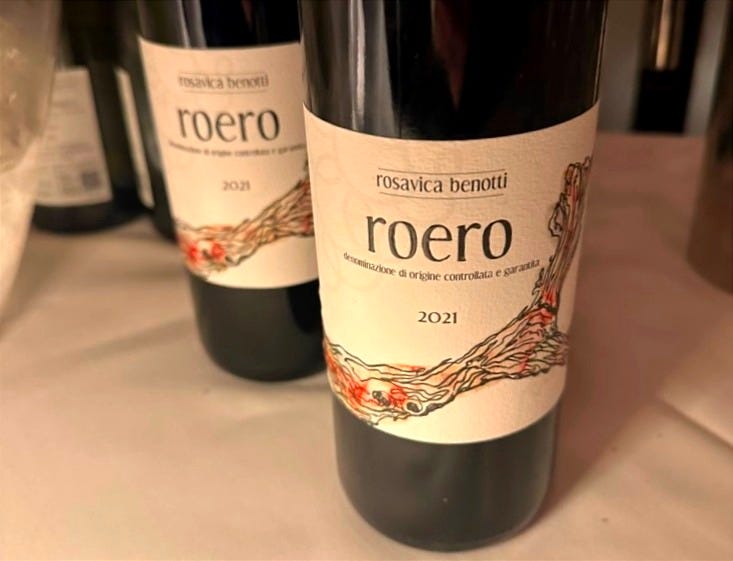
Angelo Negro’s organically farmed vineyards in the village of Monteu Roero date from the 17th century; Giovanni Negro, the estate founder, made the first dry Roero Arneis on record here in 1971. In 2025, Angelo Negro’s Sette Anni Roero Riserva 2018 earned a Tre Bicchieri (”Three Glasses”) commendation, the highest accolade a wine can earn from Gambero Rosso’s Vini d’Italia guide. This wine rests on lees (spent yeast cells) for seven months and is aged for seven years (“sette anni”) before release, eliciting floral notes and unflappable structure.
Other noteworthy bottlings that can be found in the U.S. market include Malvira Roero Arneis 2024, Bruno Giacosa Roero Arneis 2023, Elvio Cogno Montegrilli Nebbiolo 2023, and Giovanni Almondo Roero Rosso 2022.
Al fresco dining will soon return (a comforting thought during an endless winter) and thanks to fortuitous intersections—in the vineyard, on the table, on the page, and in pairing regional agriculture and wine to reach a global audience— we’ll have more to bring to the table when it does.
Read on…
Italianity releases on April 28. I encourage pre-ordering, as this includes access to Dupuy’s paid subscriber scale for her Substack, Direct to Press. Order a signed copy from the authors at italianity.wine!

I have a new story about vertical shoot positioning (VSP) online at SevenFifty Daily. Vertically training the vine canopy makes for an attractive and easily mechanized vineyard; for these reasons, VSP was widely embraced as post-Prohibition viticulture hit it stride between the 1970s and the mid-aughts. Now, refined knowledge of regional climatic tendencies and the imperative to conserve financial and environmental resources suggests other systems are better-suited to modern viticulture. Read on, with a glass of Roero in hand, ideally!