
Flight 2: The Bubbles Edition
In keeping with the effervescence of the holiday season, this edition of Wine Flights is dedicated entirely to sparkling wine.

While the external world is aglow with color and light, a mood of generosity and celebration awakens our internal sparkle. So, in keeping with the effervescence of the holiday season, this edition of Wine Flights is dedicated entirely to sparkling wine!
We start with a savory, herbaceous Lambrusco spritz recipe, courtesy of Don Antonio, an enclave for authentic Neapolitan pizza in Manhattan’s Hell’s Kitchen neighborhood. A short feature about Texas’ sparkling wine revolution follows, as does a glimpse of the fortieth anniversary celebration of traditional method sparkling wine production in New York’s scenic Finger Lakes region, at the Dr. Konstantin Frank Winery. We wrap up with tasting notes for Champagne Billecart-Salmon’s Le Sous Bois (fermented in oak casks), a study in contrast of prosecco, and a bit about why pairing butter cookies with Korbel is most recommended.
Shortly after publishing the first edition of Wine Flights, my friend and colleague Leigh Stein, whose Substack Attention Economy is an invaluable resource for authors and content creators, let me know, “I’m using your recommendations to order my dad some Texas wine for Christmas.” This delighted me so! I’ve relinked above in case you wish to peruse the list again.
As we countdown to the new year, may playwright Noël Coward’s guileless query, “Why do I drink Champagne for breakfast? Doesn’t everyone?” set a tone of wellbeing and joyful connection during the holiday season!
Meet the Spritzza…
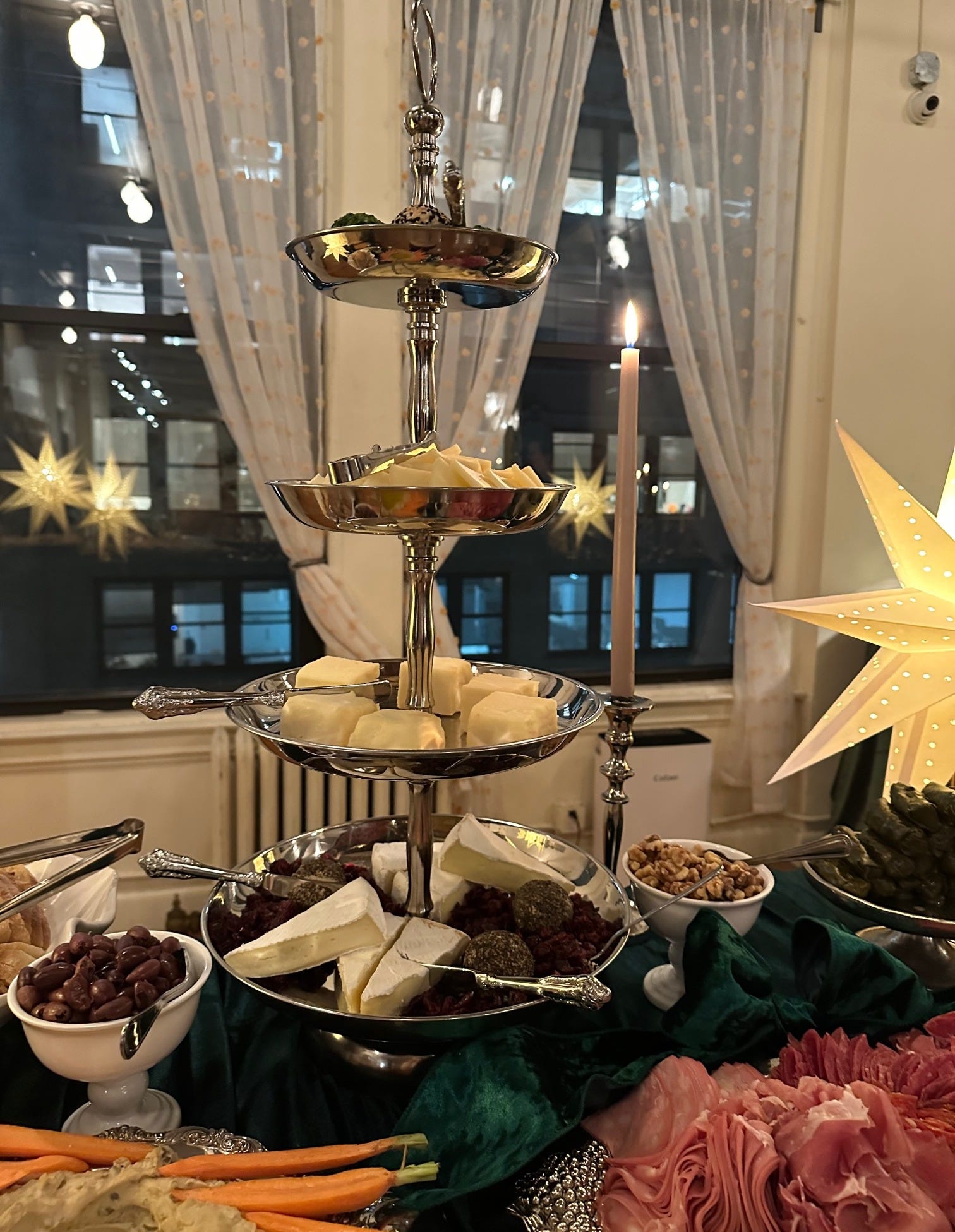
You’ll surely require a pizza night before New Year’s Eve, and Lambrusco, a lightly sparkling (frizzante) red wine with ancient origins grown in northern Italy’s Emilia-Romagna region offers a refreshing counterpoint of acidity against a fruity core of blackberry and cherry. Roberto Caporuscio opened Don Antonio on West 50th Street in 2012; his mentor, Antonio Starita, is the third-generation owner and pizzaiolo of Starita in Naples, established in 1901. Don Antonio quickly gathered accolades from New York Magazine, The New York Times, The Wall Street Journal, Food & Wine, and recently, upon Roberto’s daughter Giorgia assuming ownership and the role of head pizzaiola, the 2024 Michelin guide.
Your ingredients for the Spritzza: oregano-infused simple syrup, fresh lemon, Italian red bitters, Lambrusco, and green olives.
Texas’ Sparkling Wine Revolution
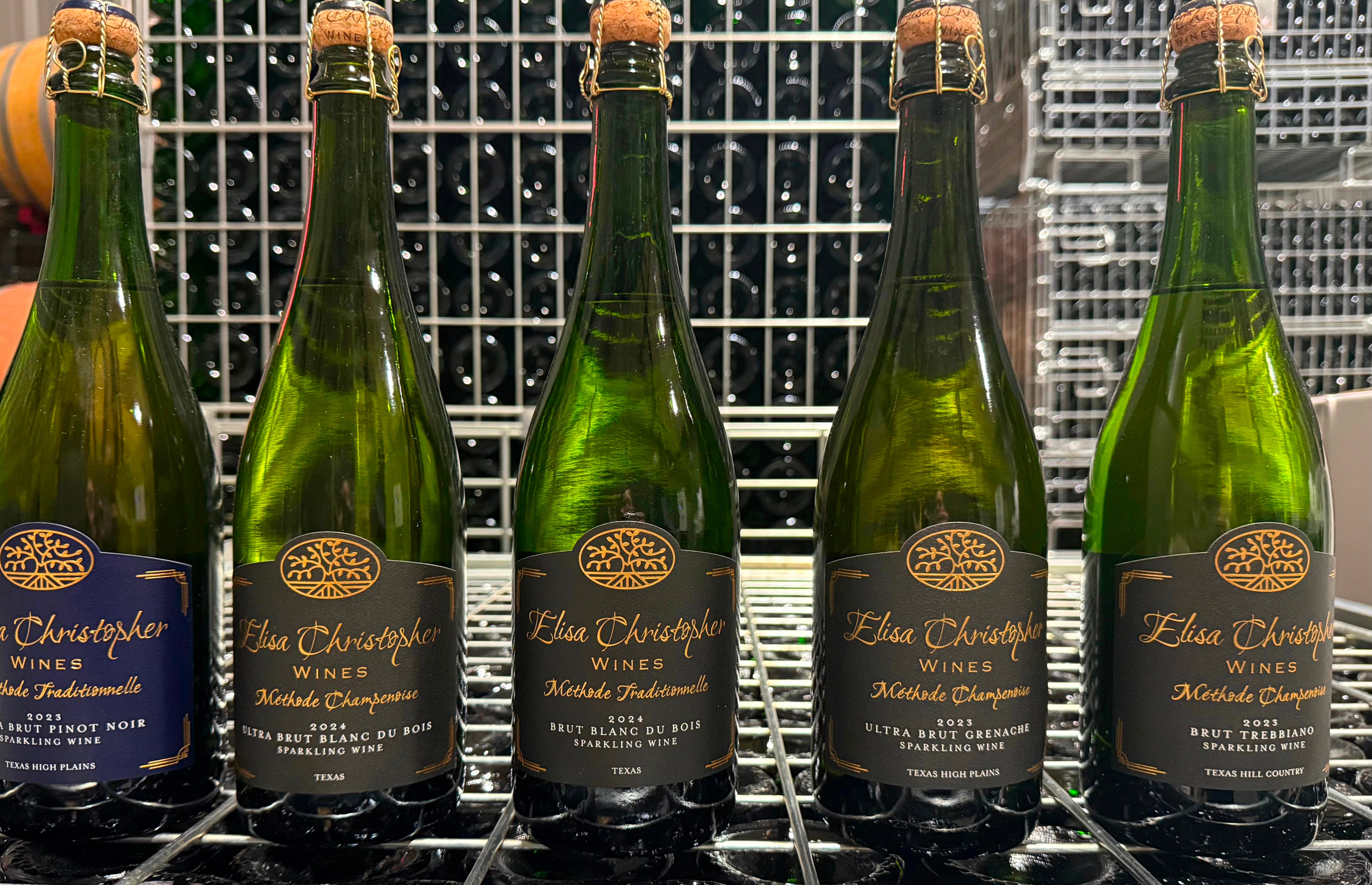
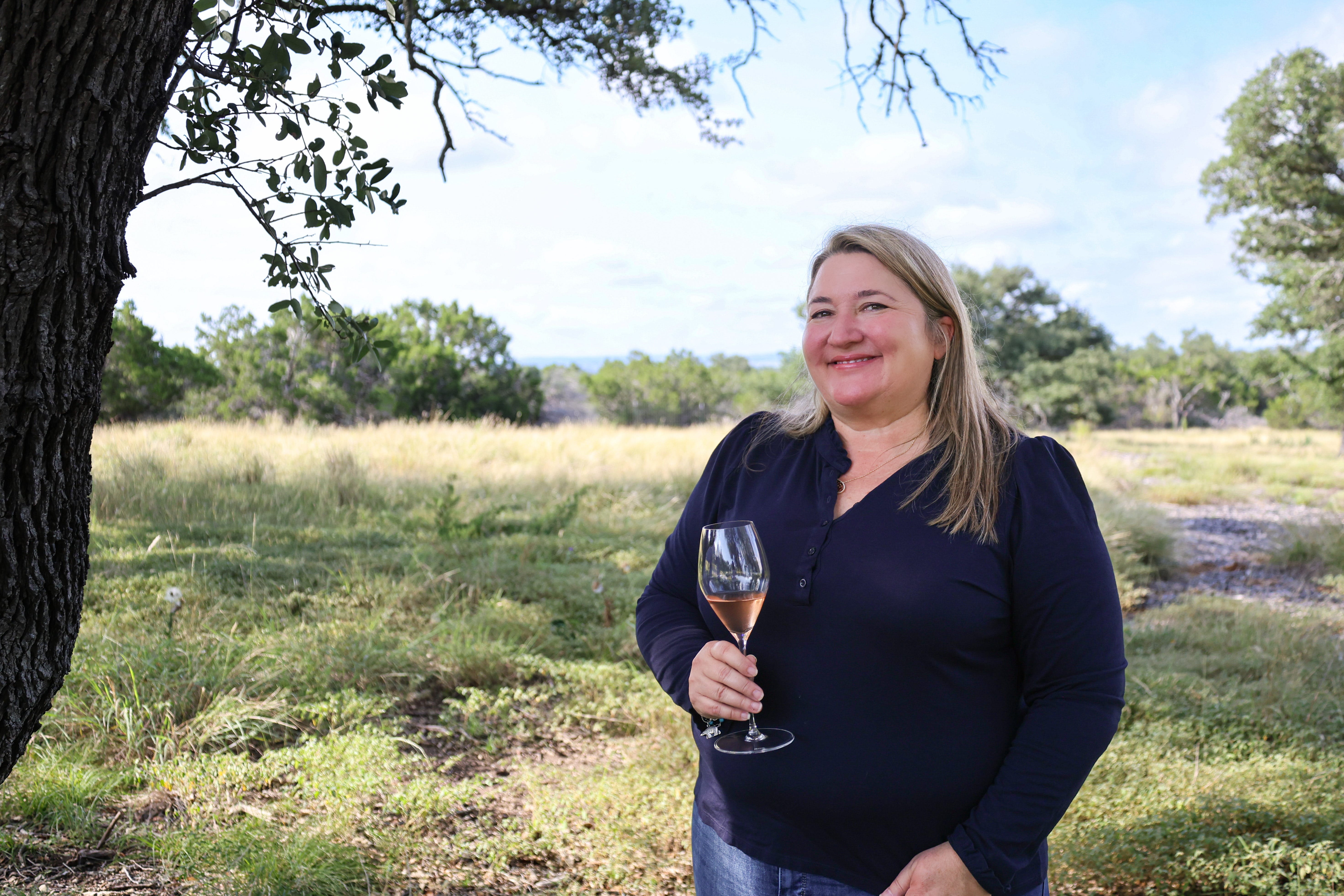
Rather than shrink from the obstacles facing the wine industry, three Texas wine producers are growing the sparkling wine category in Texas without compromise. As Elisa Jones, co-owner and winemaker at Elisa Christopher Wines, puts it, “Texas has a long history of making excellent wine—this is just our next chapter.” Jones and her husband Christopher engage a plurality of grapes, like Trebbiano, Sangiovese, Grenache, Chardonnay, Blanc du Bois, Picpoul Blanc, Chenin Blanc, and Mourvèdre.
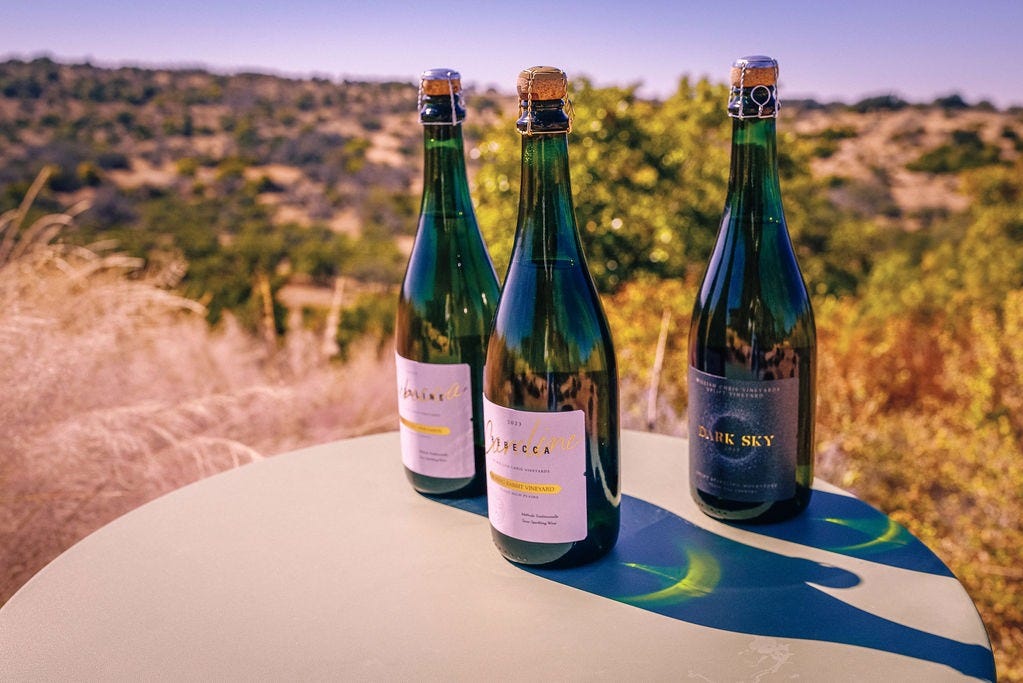
For Chris Brundrett, owner of William Chris Vineyards, producing traditional method wines (with a second fermentation in the bottle and extended aging time “on the lees,” or spent yeast cells) is a way to tell the stories of Texas’ historic and mature vineyards, like Boxing Rabbit, dating from 1975 in the Texas High Plains, the Uplift Vineyard, dating from 1994 in the Texas Hill Country, and Dell Valley Vineyard in the Chihuahuan Desert in Far West Texas, also planted in the 1970s.
There are other benefits as well. Harvesting grapes earlier in the season for sparkling wine avoids Texas’ intense heat, and accumulate less sugar; grapes thus retain acidity that, says Jones, pairs beautifully with Texas fare like barbecue and Mexican food. Brundrett also notes that every opportunity for grape growers to diversify their offerings is positive. William Chris Vineyards’ sold out of its first traditional method release, with sparkling Mourvèdre, and Chenin Blanc and Sauvignon Blanc cuvées (blends) made by winemaker Seth Urbanek. Brundrett’s team is restoring a historic post office and feed store in the Texas Hill Country to be a sparkling wine tasting room called Rebecca Caroline.
Brian Heath, owner of Heath Family Brands’, appreciates sparkling wine’s universal appeal with consumers. “It’s more than a celebratory accoutrement. Many choose it for day-to-day wine enjoyment,” he observes. Heath’s seminal 2024 vintage will be released in early 2026, after 18 months sur lie (again, aged on the lees). Visitors can tour Heath’s sparkling production at Invention Vineyards in Fredericksburg while tasting sparkling wines and Invention’s powerful Right and Left Bank blends and single-varietal wines. Jones’ makes sparkling wine for several local clients, as will Brundrett. So we can expect, as Jones says, “a lot more sparkling wine in Texas.”
An Anniversary Postcard from New York’s Finger Lakes Region
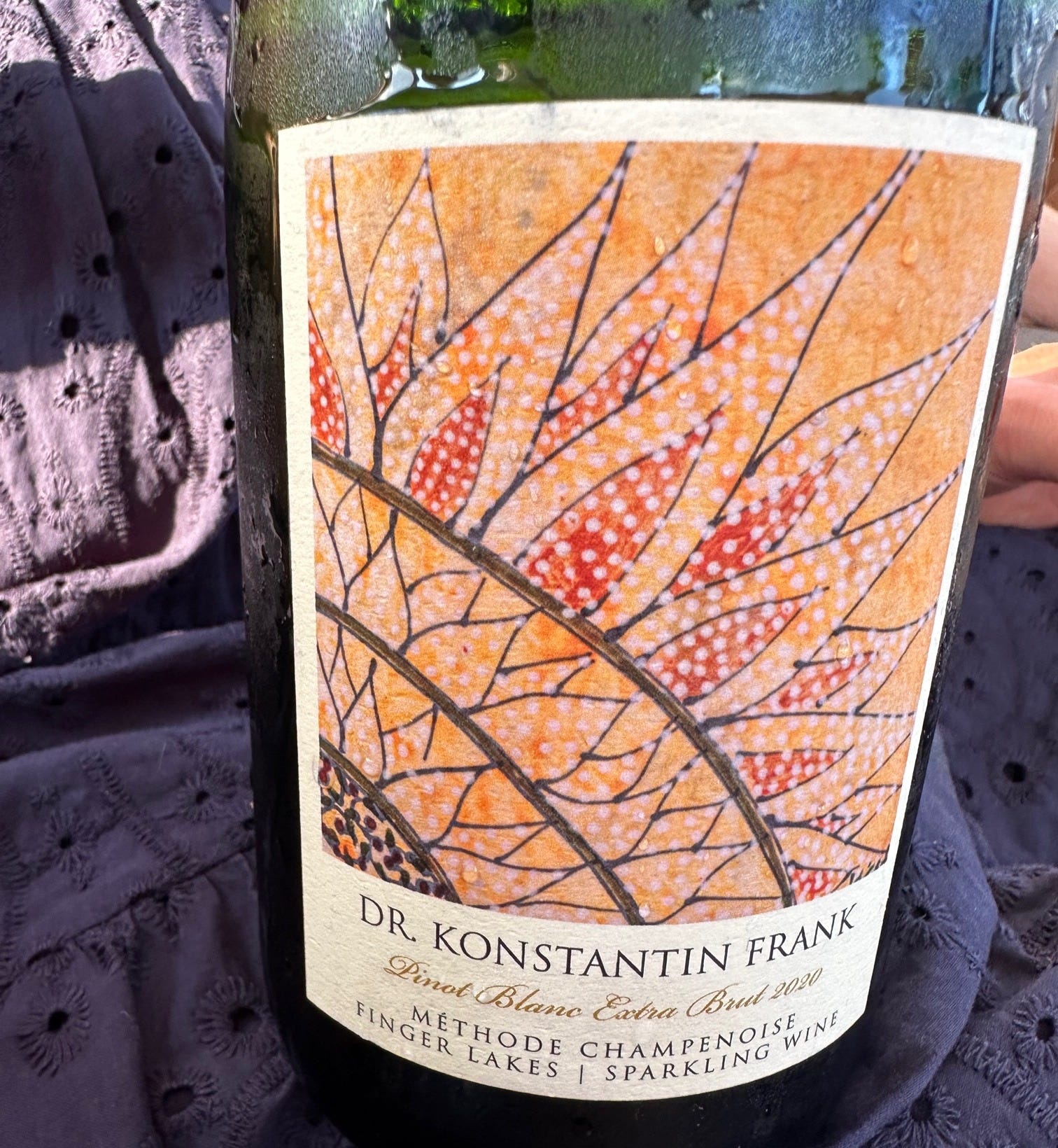
At the fortieth anniversary celebration of the Dr. Konstantin Frank Winery’s sparkling wine production last August, Meaghan Frank, the winery’s Vice President, invited guests to recall and share a year they associate with a pivotal memory. She connected the exercise with the concept of vintage, and the way we carry our stories forward in time. A retrograde tasting of vintages, from 2021 back to the earliest years, called attention to the prolific, elegant collaboration between sparkling winemakers Eric Bauman and Barbara Frank—sparkling vintages across the years exhibit precision, freshness, and restraint. I’ll be sharing more writing about this visit in 2026!
For the Holiday Table: Le Sous Bois
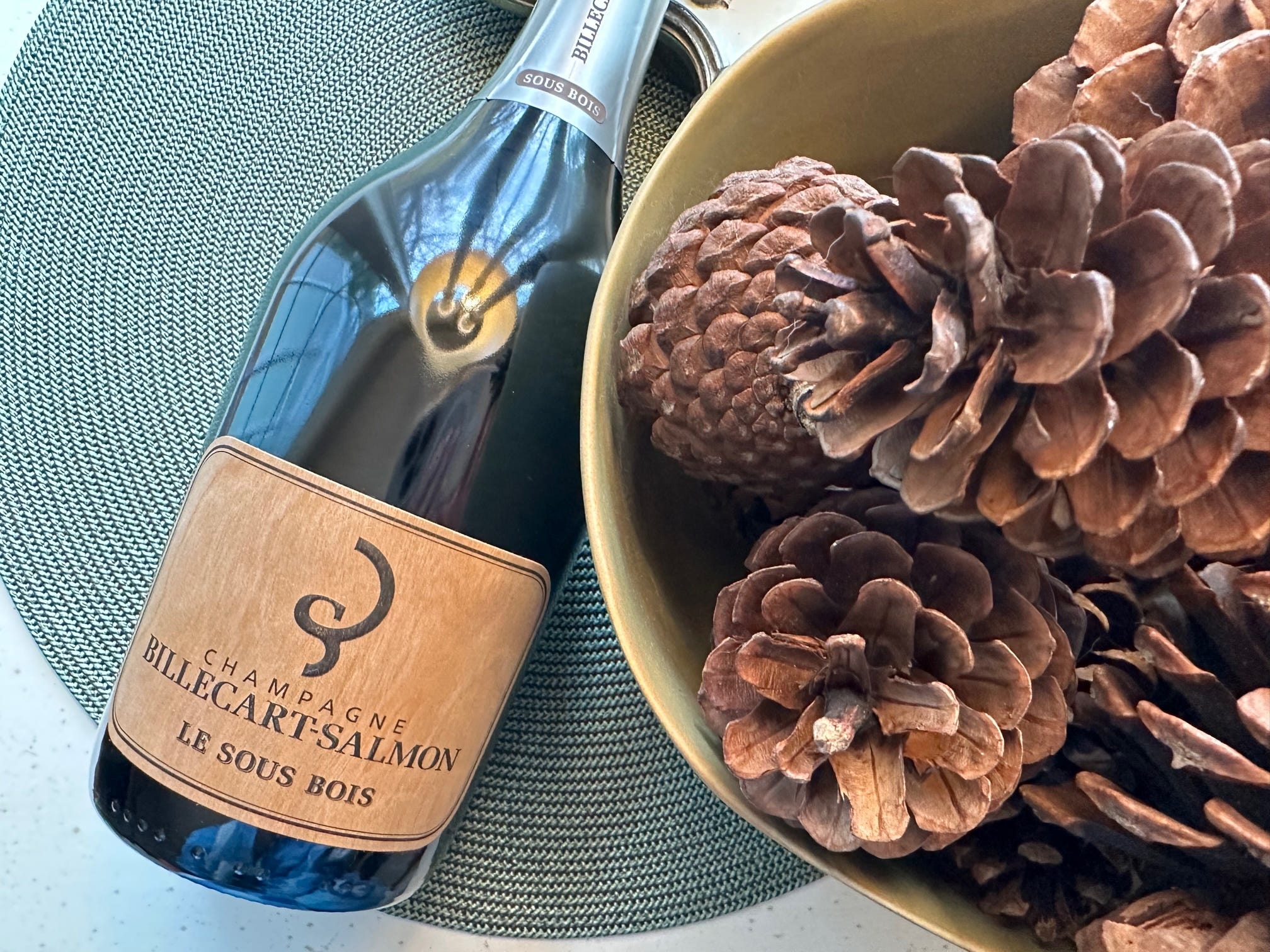
“Le Sous Bois” means “undergrowth,” and refers to the earthy “forest floor” wine tasting note. Champagne Billecart-Salmon’s Le Sous Bois departs from the house’s signature low-temperature fermentation in steel tanks, opting for a Champagne that’s vinified, again at a low temperature, entirely in oak casks. The result is a deeper gold hue and profound textural depth, with notes of citrus peel, aged honey, and brioche. The 2017 vintage is comprised of 43% Grand Cru Chardonnay from the Côte des Blancs, 28% Premier and Grand Cru Pinot Noir from the Montagne de Reims, Aÿ and Mareuil-sur-Aÿ, and 29% Meunier from the right and left bank of the Vallée de la Marne. To try this one via wine.com, visit this link.
Prosecco: A Study in Contrast
Prosecco has subtleties in texture (i.e., mouthfeel, or presence on the palate) body, acidity, and flavor that are informed by its grape growing regions in northeast Italy. The Conegliano Valdobbiadene Prosecco Superiore DOCG is the source of Proseccco Superiore. DOCG, or Denominazione di Origine Controllata e Garantita, is a quality standard that’s connected to place. Steeper subregions within, Rive and Cartizze DOCGs, produce dry, elegant proseccos expressing just ripe pear and enlivening minerality. On lower, flatter, and warmer terrain in the Prosecco DOC, a stretch of nine provinces within Veneto and Friuli Venezia Giulia, fruit will have a riper expression.
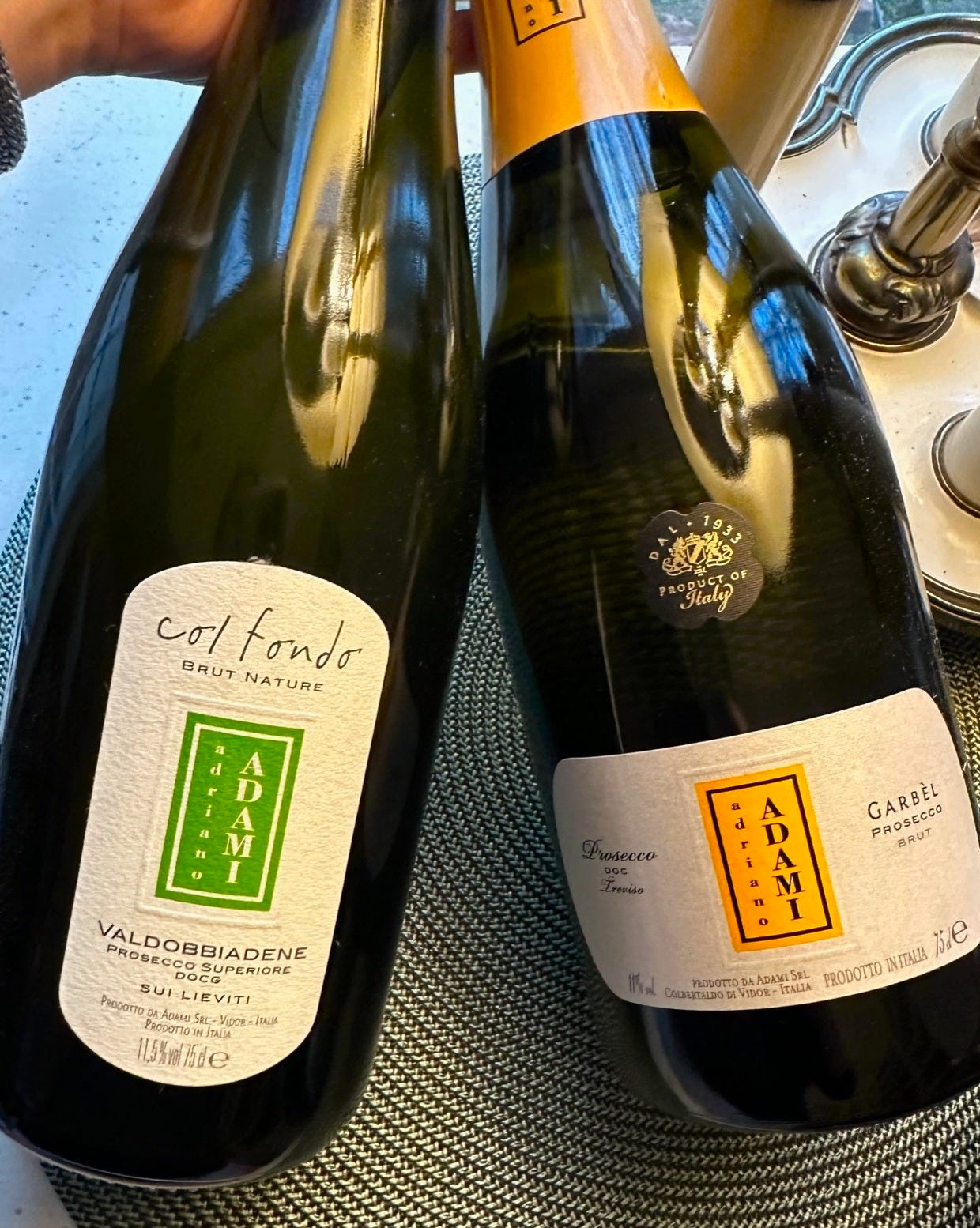
Along with quality classifications, note terms like “sui lieviti,” again, aged on the lees (I promise, there’s no quiz at the end of this edition!), and Brut or Brut Nature. The latter means there’s no (or virtually no) dosage, i.e., sugar that’s added to balance a wine after the yeast is disgorged. Above, Adami’s Col Fondo represents a style where the yeast is not disgorged; the appearance is cloudy, and bready notes support savoriness and depth. Its counterpart on the right above, grown in the Treviso DOC, subtly asserts notes of Gala apple and juicy cantaloupe. Both have a creamy mousse, a light, insistent sparkle.
Butter Cookies and Korbel
It’s a touch of class to bring a celebratory bottle to your holiday cookie swap, and Korbel’s brut and brut natural sparklings elevate the biscuity notes implicit within holiday butter cookies—a most agreeable match! These are budget friendly and easy to find, for example, here.
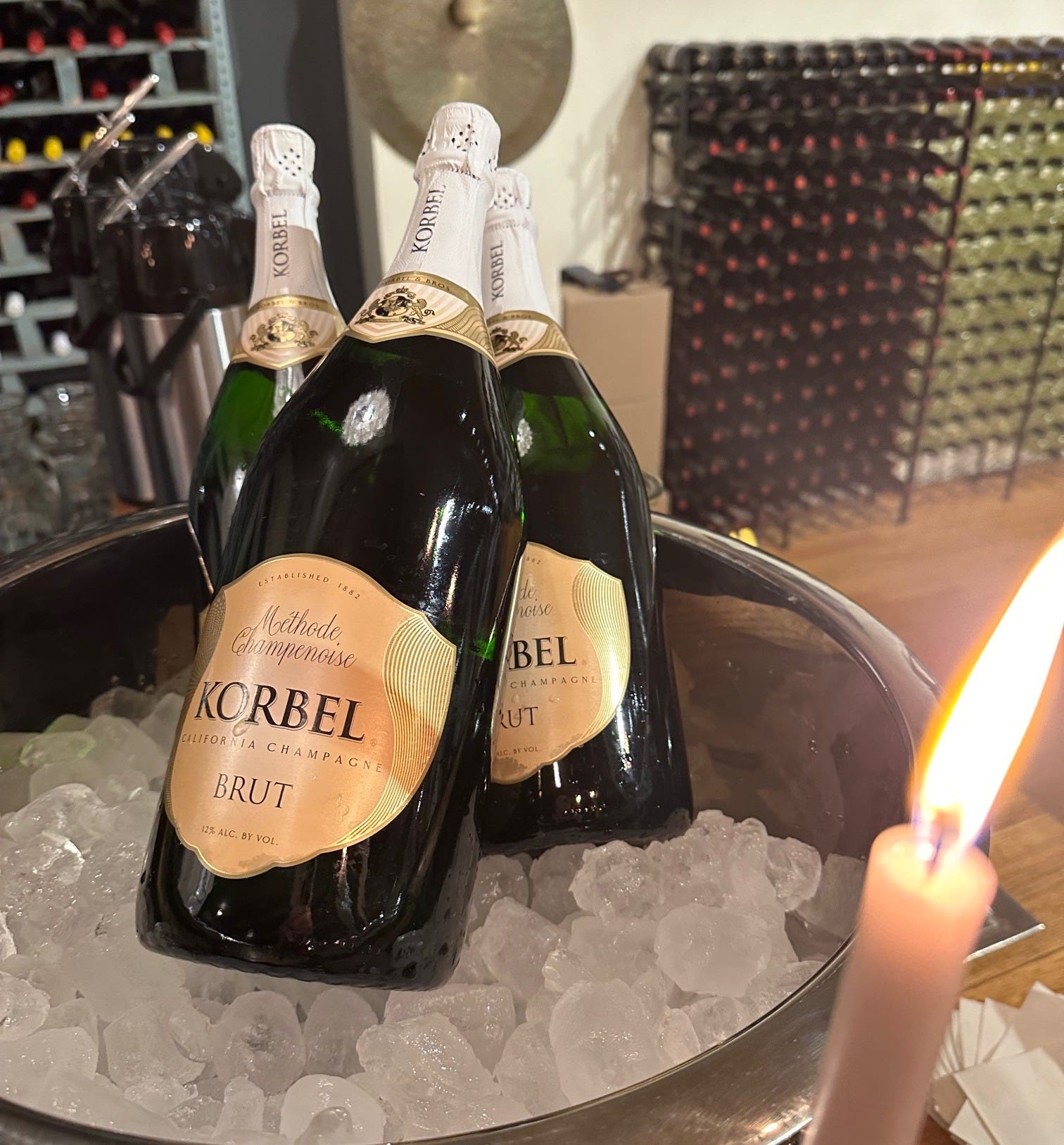
I will say the Korbel Natural' is a darn good bottle of sparkling for the price. I was just at the winery and bought several of the drier sparkling wines they make.
I think December deserves bubbles all day every day!